

Engelmann at Vietwater 2026: Vietnam’s Digital Water Supply
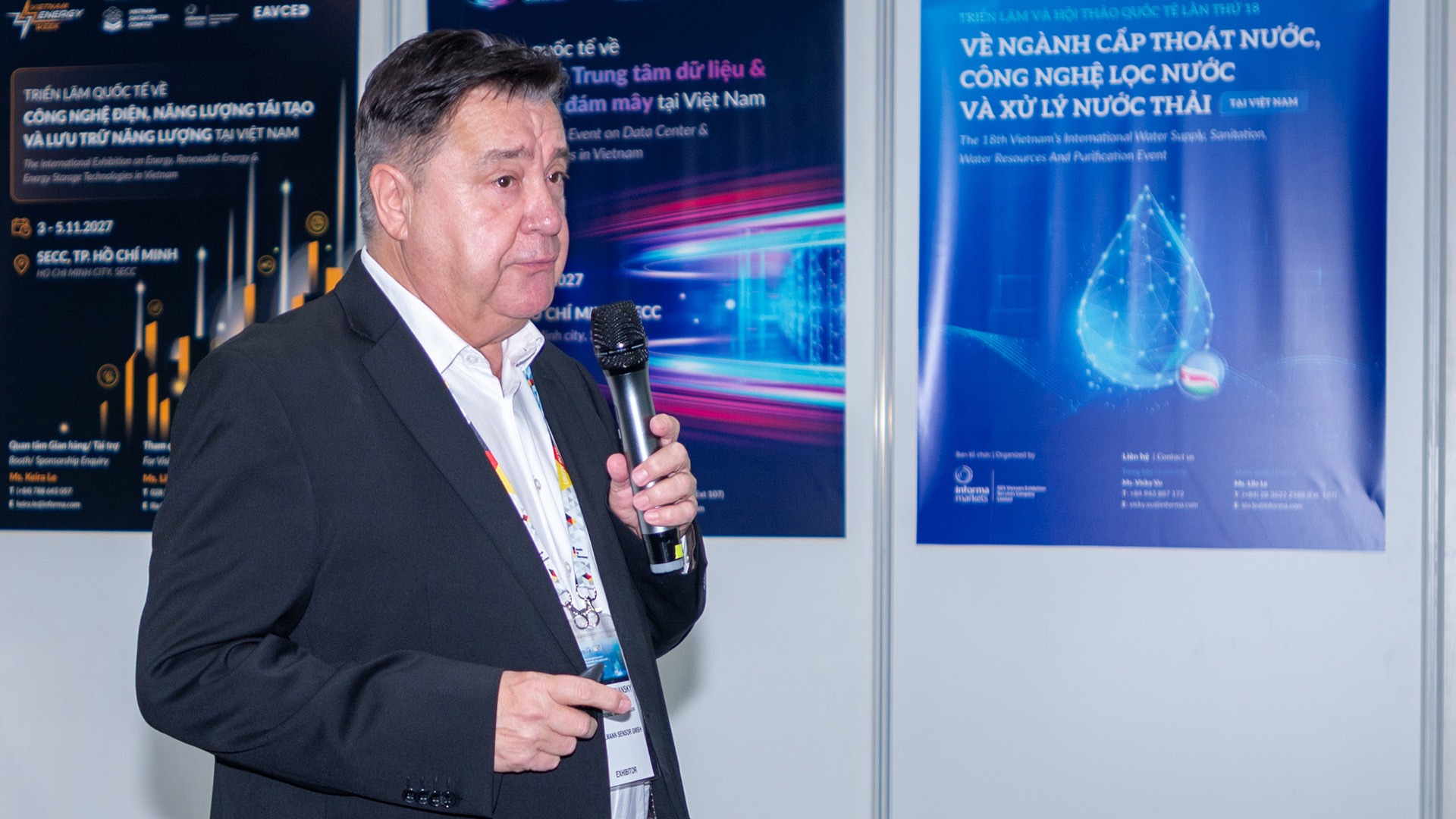
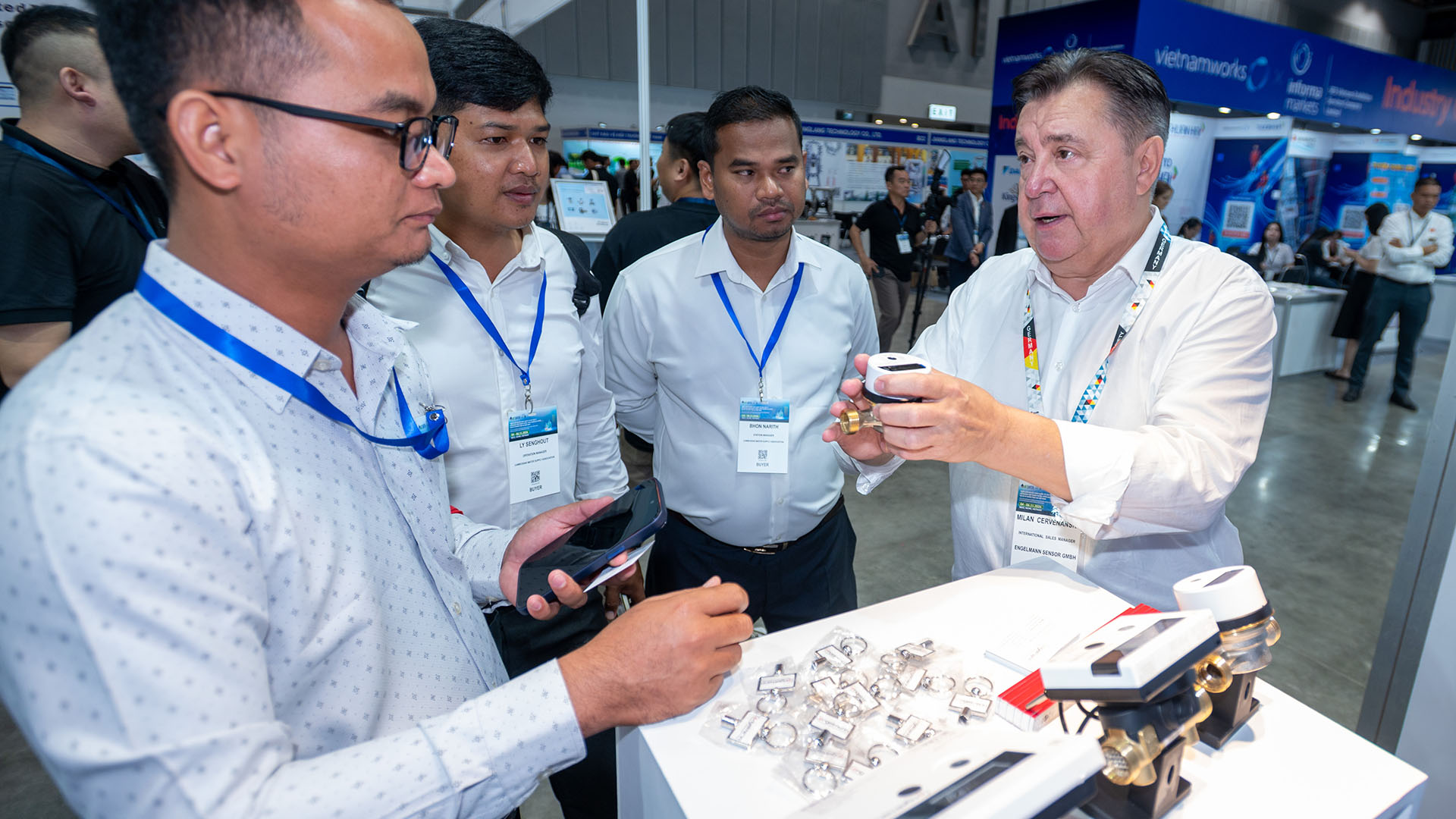
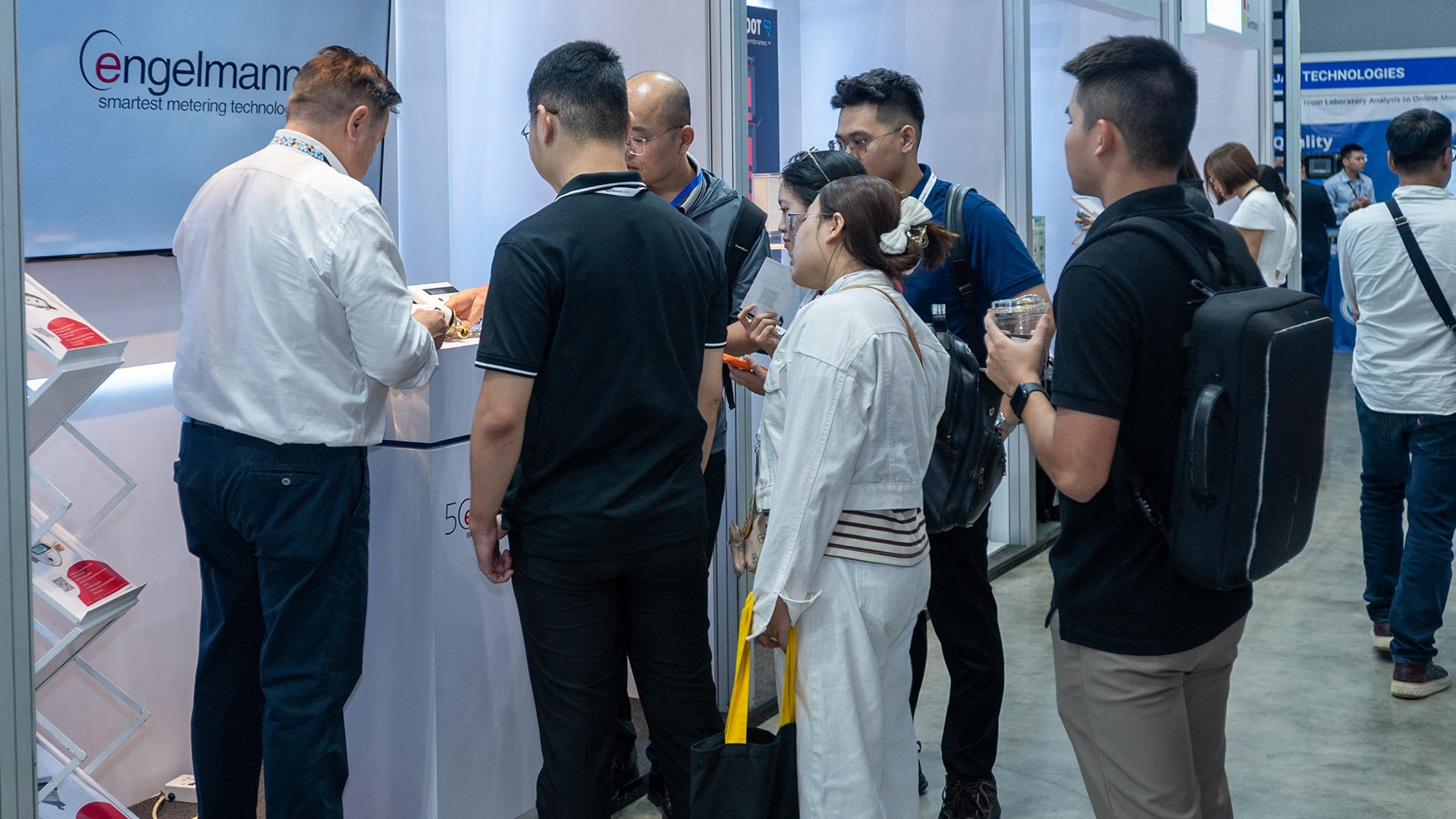
The focus on water in Vietnam differs significantly from that in Europe. While the digitization of water networks and the reduction of water losses are key issues here, Vietnam is currently undergoing modernization: Following a major expansion of its urban water supply infrastructure, the intelligent collection and use of consumption data are now taking center stage. Reason enough for Engelmann to visit Vietwater 2026 as an exhibitor. The trade show in Ho Chi Minh City focused, among other things, on how digital technologies can help make water consumption more transparent. And … how supply processes can become more efficient. More than 450 exhibitors from over 40 countries took part. We were there. The focus was on our Water meter WaterStar M, as well as our SensoStar C calculator and the SensoStar U heat and cooling BTU meter. Together with ten other companies, our colleague Milan Cervenansky presented technologies for the water industry at the German joint booth.
About 95 percent of the urban population has access to clean water
Figures from the Vietnamese Ministry of Construction show how far Vietnam has come in expanding its water supply: By the end of 2025, approximately 95 percent of the urban population has access to clean water. The average water loss rate in urban supply networks has thus been reduced to about 15 percent. This represents significant progress. However, as urbanization and city growth continue, so do the demands on the supply infrastructure. Residential complexes, high-rises, and commercial buildings are increasing the number of consumers. At the same time, utility companies are processing ever-larger volumes of data to efficiently organize water distribution and billing. The example of the Saigon Water Corporation (SAWACO), the water utility in Ho Chi Minh City. It is making targeted investments in the digitization of its infrastructure: In addition to central data and operations management systems, it is also testing smart water meters to analyze data and streamline processes.
Greater Transparency in the Building
Engelmann’s WaterStar was well-received by a large number of prospective customers. After all, they all face essentially the same problem: the challenge lies in measuring water consumption in large residential and commercial buildings. While a central water meter records the total volume of water flowing into the building, transparent consumption allocation requires additional measurements at individual consumption points. Furthermore, the large number of apartments in multi-family buildings would entail a significant organizational burden if water meters had to be read manually. On top of that, the data collected in this way is often only available at longer intervals. Individual, remotely readable consumption metering opens up new possibilities. When consumption data for individual apartments is collected, it can be used for usage-based billing and to analyze consumption trends. It’s actually a simple concept, but one that only works if the entire infrastructure is designed to support it. This is increasingly the case in Vietnam. And especially in the country’s growing cities, modern and precise consumption metering is increasingly becoming a key component of a sustainable water supply. Milan Cervenansky addressed this very topic in his presentation at Vietwater.